Pava Architects’ Award-Winning Adaptive Reuse Transforms an Industrial.
In the heart of Chiang Mai, a forgotten tobacco estate has been reborn as a cultural landmark where history, ecology, and architecture intertwine. Designed by PAVA Architects, the Kaomai Museums and Tea Barn reimagines a 68-year-old tobacco processing plant into a serene space for learning, gathering, and reflection. The project, which earned the World Architecture Festival 2023 award for Creative Reuse, is a masterclass in sensitive transformation — preserving the past while cultivating new life for future generations.
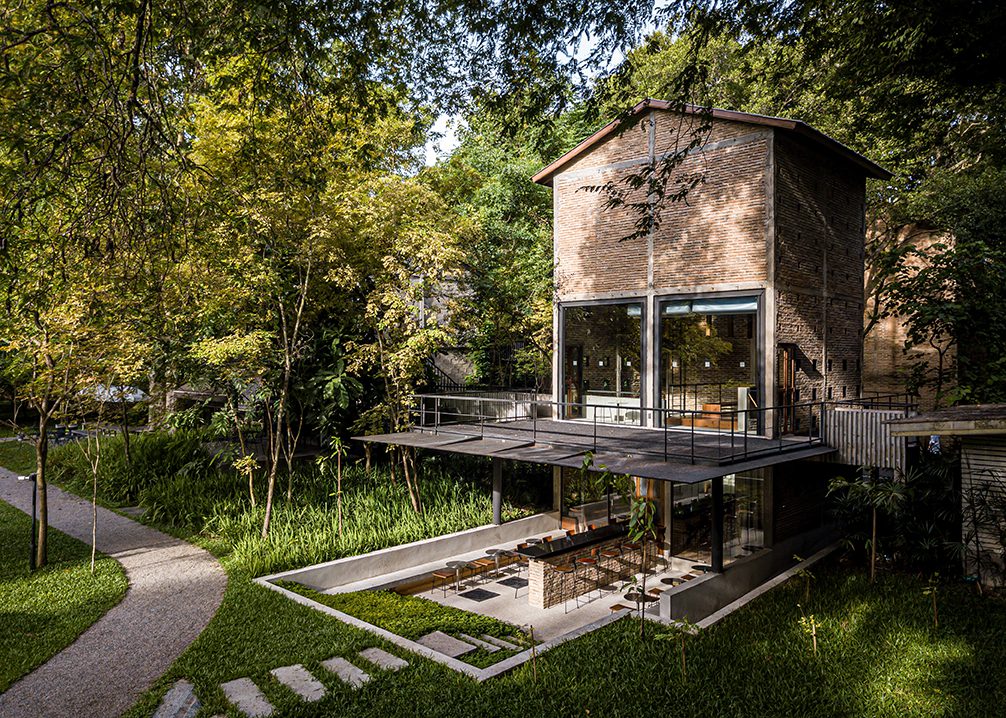
Owned by Kaomai Estate since 1955, the site once served as a thriving economic hub for the local community. Over time, the barns and kilns that once processed tobacco fell silent, becoming symbols of Chiang Mai’s fading industrial memory. PAVA Architects approached the revitalisation not as a restoration of buildings alone, but as the renewal of an entire ecosystem — architectural, cultural, and ecological.
The masterplan was designed around coexistence, carefully balancing the presence of mature trees, the original brick barns, and the introduction of new functions. Rather than erasing traces of time, the architects allowed weathered textures and imperfections to remain, preserving the tactile memory of place.
Reviving the Barns
The project comprises two museums and a tea barn, each expressing a dialogue between old and new.
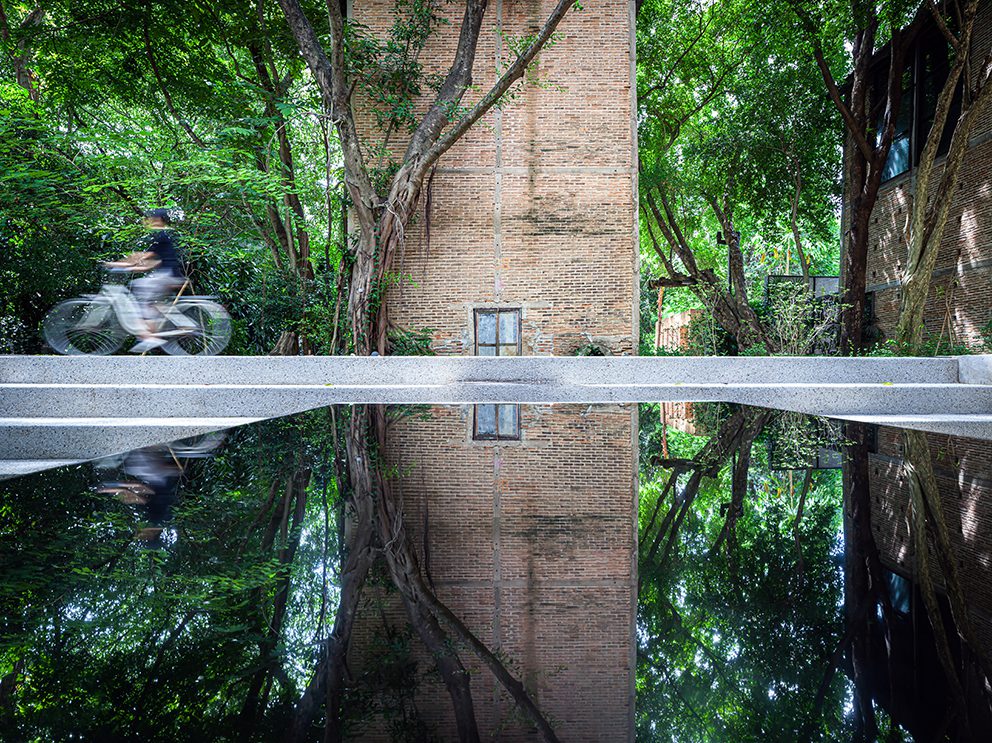
The first museum was meticulously conserved, with its original brick walls, gabled roof, concrete structure, and tobacco-hanging rods restored to their former character. Every surface tells a story — of craft, use, and endurance.
The second museum introduces a subtle yet modern intervention. A steel structure on a new offset foundation supports the ageing barn while creating space for expansion. A timeline panel of steel runs through the building, narrating the history of the estate and its workers.
Between the barns, existing trees were carefully preserved through arboricultural techniques, allowing nature and architecture to thrive side by side. Informative plaques now mark each building, showcasing authentic historical details and construction methods uncovered during the project.
The Tea Barn: A Space for Connection
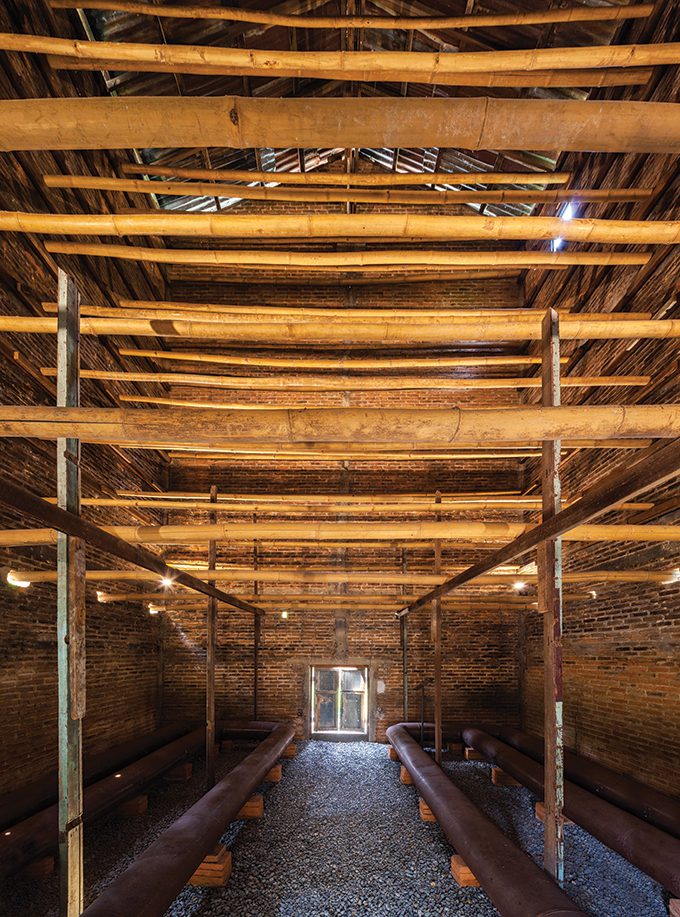
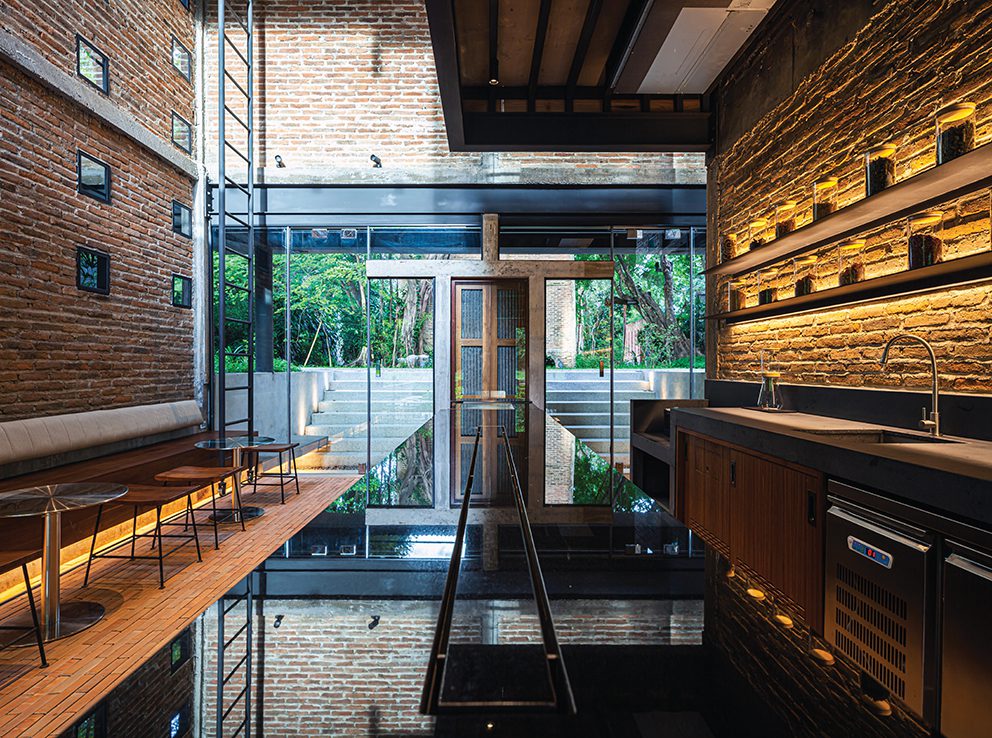
The Tea Barn redefines the experience of gathering and reflection. Using reclaimed bricks, steel, and wood from the original structure, the design maintains its rustic soul while introducing light, transparency, and warmth. Sunken seating areas and glass walls draw in natural light and frame the surrounding greenery, creating an immersive setting for tea ceremonies and conversation.
Hidden lighting mimics the soft glow of the estate’s former drying barns, while the gravel floor, granite counter, and reclaimed wooden furniture provide a sensory connection to the past. Every element — from the layout to the material palette — speaks of renewal, respect, and restraint.
Craft, Memory, and Community
More than a physical transformation, the Kaomai Museums and Tea Barn is a community project at heart. PAVA Architects worked closely with local artisans, historians, and even former tobacco workers to recover lost knowledge about traditional building methods. Local materials were used throughout, ensuring that the process itself became a continuation of heritage.
By engaging local craftspeople and recruiting from nearby villages, the project rekindles the community’s connection to its land and legacy. It stands today not just as a cultural venue, but as a living testament to the value of preservation through participation.