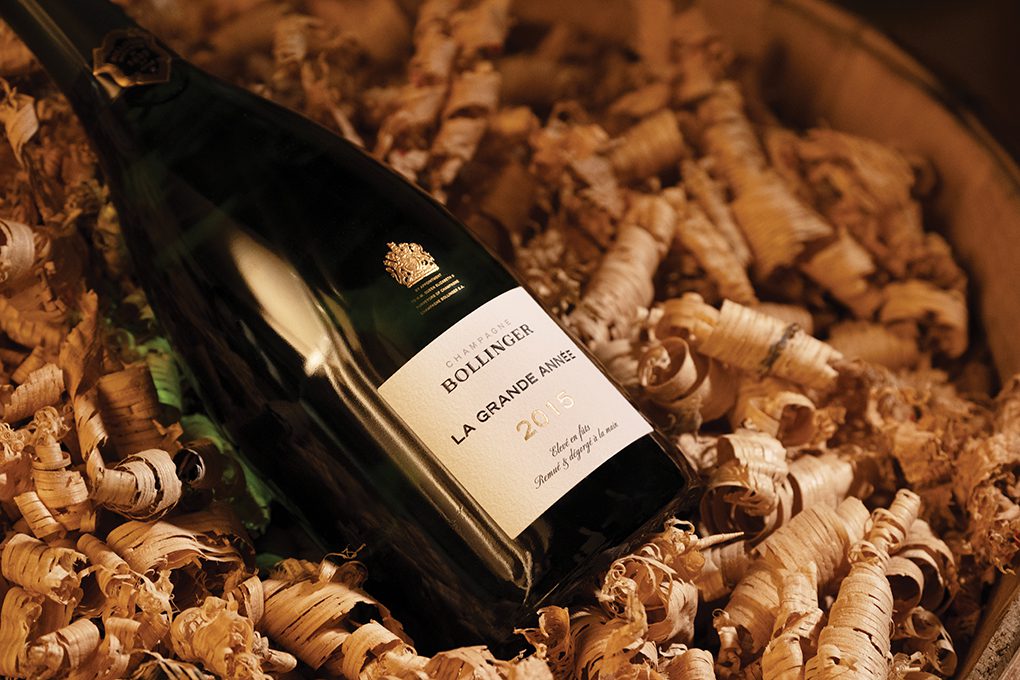
There’s a certain magic that arrives with December, and with it comes the season’s most elegant ritual: opening a bottle of Champagne to welcome guests to the table. Yet the true art of serving Champagne, whether it’s a festive non-vintage or a refined vintage like Bollinger’s La Grande Année, lies not in theatrics, but in thoughtful, confident preparation. When done well, Champagne doesn’t just accompany a celebration; it becomes part of its architecture.
The experience begins long before the first pour. Choosing the right glassware can transform even the most familiar label. Today’s Champagne aficionados know that a tall, tulip-shaped glass, or even a beautifully fine white-wine glass, releases far more expression than the traditional flute or the old-school Gatsby’s coupettes. It allows the wine’s personality to emerge: the brioche warmth of a Champagne aged on lees, the vibrant energy of a fresh non-vintage, or the layered depth that houses such as Bollinger or Perrier-Jouët are famously known for. Coupettes may look glamorous on a holiday table, but their broad bowl sends bubbles escaping far too quickly.
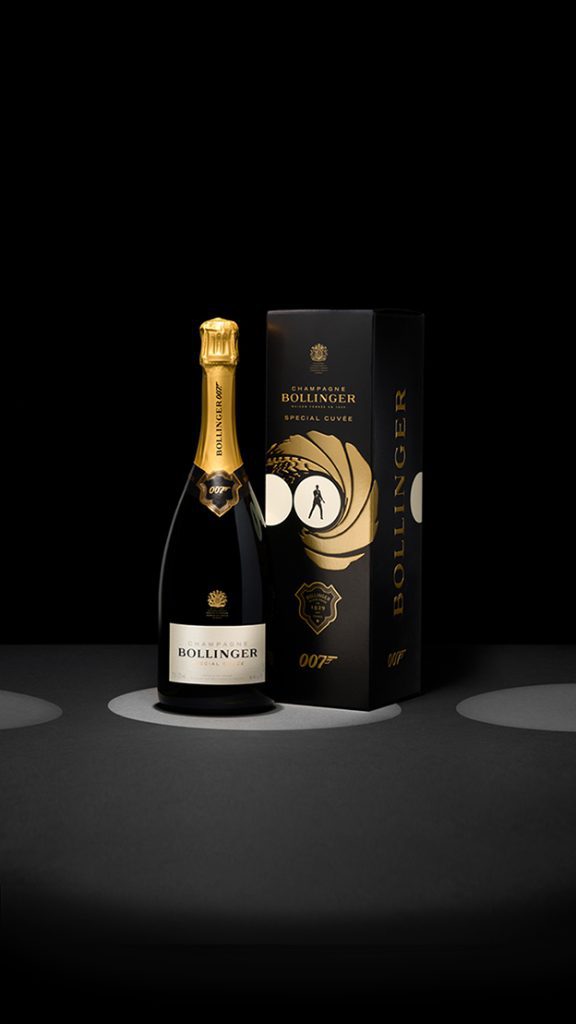
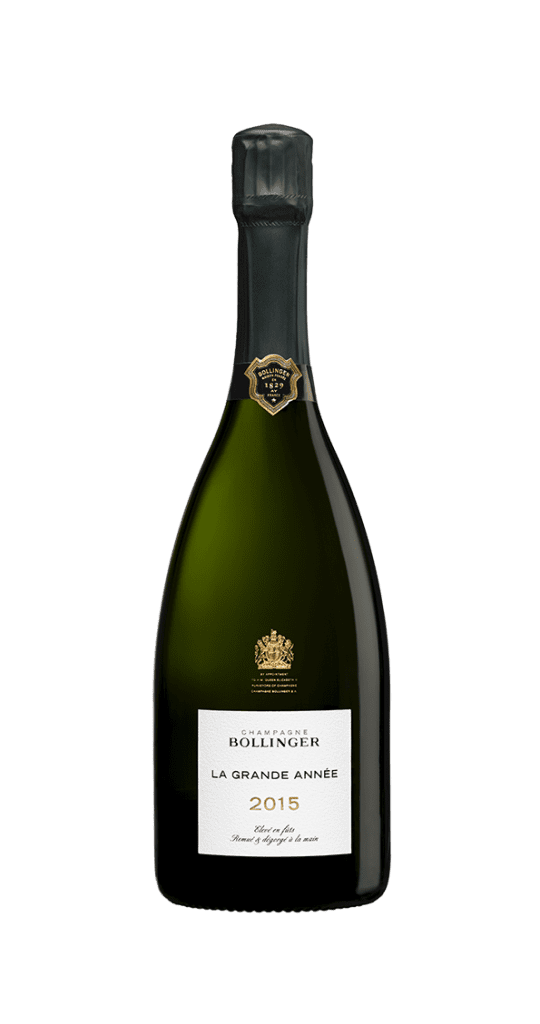
Temperature, too, shapes the moment. Champagne is at its best between 6°C and 10°C, with slightly warmer temperatures favouring vintage cuvées, where complexity deserves room to bloom. An ice bucket with half ice and half water cools a bottle to perfection in just twenty minutes. It’s one of those small hosting details that feels quietly luxurious, the way a well-chilled bottle of Special Cuvée always seems to arrive at precisely the right temperature.
Opening the bottle is its own small performance. Despite the temptation, a loud pop is never the sign of a skilled host. The ideal opening is a whisper: one hand steady on the cork, thumb on top, the other gently twisting the bottle until the cork slips out with a soft sigh. It’s controlled, safe, assured, and especially with a prestige bottle, deeply respectful of the craftsmanship inside.
And for those keen to take their service a step further, consider the insider’s trick: decanting. While it still surprises many, decanting Champagne, particularly rosé Champagne, can reveal extraordinary nuance. A gentle decant into a chilled vessel softens the wine’s edges and releases a spectrum of aromas: red berries, delicate spice, savoury depth. Complex rosé Champagnes or fuller-bodied styles, like those Bollinger is celebrated for, can become even more expressive with just a moment of air.
Once in the glass, Champagne deserves a thoughtful pour. A third full is ideal, giving bubbles space to rise and aromas to gather. Slow, elegant, never rushed; the kind of pour that signals the evening ahead has been curated with intention.
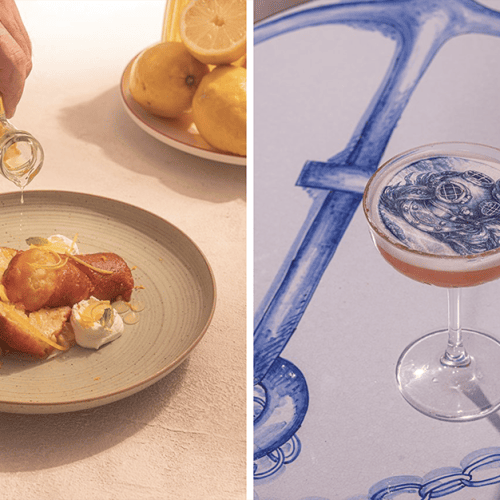
Should the impossible occur and a bottle remains unfinished, don’t despair. A proper Champagne stopper will preserve freshness for a day, sometimes longer, particularly with structured, robust styles. And even flat Champagne has its uses: a splash in a citrus vinaigrette, a dash in a seafood risotto, or the base of a bright holiday cocktail. In the right kitchen, nothing goes to waste.
Ultimately, serving Champagne well is a gesture of attention, a gesture of warmth, a gesture of celebration handled with care. Whether you’re setting the holiday table with your favourite bottles or opening a cherished, well-preserved bottle of R.D., the ritual transforms the moment. It brings sparkle not just to the glass, but to the gathering itself.
Here’s to a season of elegance, intention, and beautifully poured bubbles. Cheers.