Available year-round but never ordinary, asparagus reveals its true
character when it’s fresh from the earth.
Asparagus is more than just a vegetable, it’s a ritual, a signpost of the season, and a fleeting delicacy that chefs and home cooks alike eagerly anticipate. Its arrival in markets signals the true beginning of the growing season, when tender green spears push through warming soil and fill baskets with promise. Though asparagus can now be found year round thanks to imports, nothing rivals the snap, fragrance, and gentle sweetness of freshly harvested local asparagus in April. For a few brief weeks, it becomes the star ingredient, one worth celebrating at every table.
A Seasonal Ritual
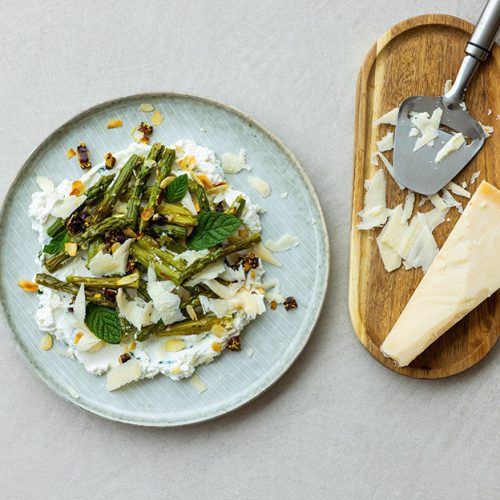
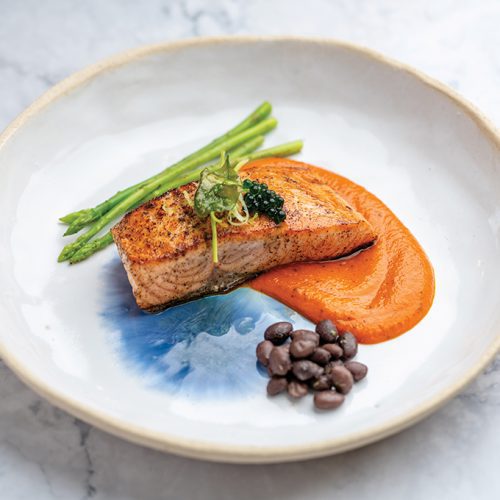
What makes asparagus so irresistible is its balance of subtlety and character. Its flavour sits somewhere between grassy freshness and nutty sweetness, while its texture offers the best of both worlds, crisp yet tender, juicy yet structured. Unlike many vegetables that require coaxing, asparagus needs very little to shine. A drizzle of olive oil and a scatter of sea salt before roasting brings out caramelized depth. A quick steam and splash of lemon keeps it bright and lively. Shaved raw into ribbons, it becomes an unexpected salad, dressed simply with olive oil, parmesan, and a hint of pepper. Its natural versatility makes it a willing partner to almost any plate luxurious alongside poached salmon, cozy with a golden yolked fried egg, indulgent wrapped in prosciutto, or classic with hollandaise in the timeless dish asparagus à la Flamande. Chefs love it for its adaptability, it can be pickled, puréed, grilled, or even tempura battered, while home cooks appreciate its speed and ease. In under ten minutes, asparagus can be transformed into the centerpiece of a meal.
Health Benefits
Asparagus has traveled a long path from ancient fields to the plates of modern gourmets. The Romans adored it, praising both its delicate taste and supposed medicinal powers. So revered was the vegetable that they devised special methods to transport it long distances, even freezing it in snow to preserve its prized freshness. Centuries later, asparagus experienced a renaissance of its own, gracing the lavish banquets of kings, queens, and aristocrats across Europe. In 17th century France, it earned the nickname “the food of kings,” adored by Louis XIV, who ordered it cultivated in his royal gardens at Versailles. That regal reputation never fully disappeared. Today, asparagus retains an aura of refinement, appearing on fine dining menus in the spring as a mark of seasonality and elegance. Yet it has also become beloved in more casual kitchens, where its simplicity is its strength. Whether charred on a backyard grill or tucked into a farmer’s market frittata, asparagus has transcended its royal roots to become a democratic delight.
Perhaps what makes asparagus so beloved is its fleeting nature. Unlike vegetables that linger in the market for months, asparagus appears for only a short window in most regions. This brevity elevates it from everyday fare to a once a year celebration, much like strawberries in June or figs in late summer. Food lovers savor the ritual the first bunch spotted at the farmers’ market, the rush to cook it while it’s at its sweetest, the inevitable farewell until next year.
In Malta, the picture is similar. Cultivated asparagus Asparagus officinalis is grown locally but follows a seasonal cycle, with its prime harvest falling between April and June. Beyond this window, spear production is limited, and most of what appears on supermarket shelves is imported. Malta also has its own wild relative, Asparagus aphyllus, which grows in rocky landscapes and can produce occasional shoots outside the main harvest period. These wild spears are often foraged, though they are smaller and less predictable than cultivated varieties. Together, they highlight asparagus’ dual personality a treasured crop in the fields and a wild plant clinging to Mediterranean stone walls and countryside paths.
Cooking Tips
Asparagus isn’t just delicious — it’s a powerhouse of nutrition. Low in calories yet dense in vitamins, it’s rich in A, C, E, and K, plus folate, which plays a crucial role in cell growth and repair. Its high fiber content supports digestion and helps maintain steady energy levels, while its antioxidants, including glutathione, work quietly to protect the body from oxidative stress. For centuries, asparagus has also been valued as a natural diuretic, helping the body shed excess water and salt, something the Romans noted long before modern nutrition confirmed it. With its blend of nourishment and lightness, asparagus feels almost tailor made for spring.
To make the most of asparagus, freshness is key. Look for spears that are firm and upright, with tightly closed tips and a vibrant color. Thicker stalks excel when grilled or roasted, developing smoky edges and a meaty bite, while thin spears are perfect for quick sautéing or tossing raw into salads. Always trim or snap off the woody ends before cooking, and if you’re blanching, remember to plunge the spears into ice water afterward to lock in that vivid green color.